🤖 AI Analysis
✓ Thanks, we'll review this answer.
We're experiencing high demand at the moment. Please try again in a little while.
 Argentina
 Australia
 Austria
 Belgium
· Français
Belgium
· Nederlands
Belgium
· Français
Belgium
· Nederlands
 Bosnia and Herzegovina
 Brazil
· English
Brazil
· Português
Brazil
· English
Brazil
· Português
 Bulgaria
 Canada
· English
Canada
· Français
Canada
· English
Canada
· Français
 Chile
Chile
 Colombia
 Croatia
· English
Croatia
· Croatian
Croatia
· English
Croatia
· Croatian
 Czechia
 Denmark
 Estonia
 Finland
 France
· Français
France
· English
France
· Français
France
· English
 Georgia
· Georgian
Georgia
· Russian
Georgia
· Georgian
Georgia
· Russian
 Germany
 Hungary
 India
India
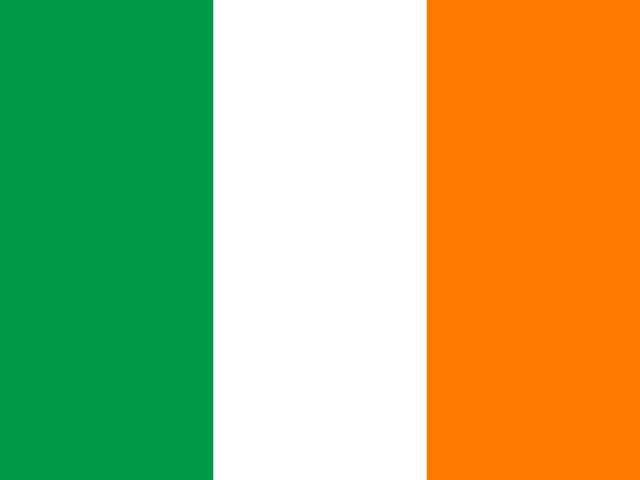 Ireland
 Israel
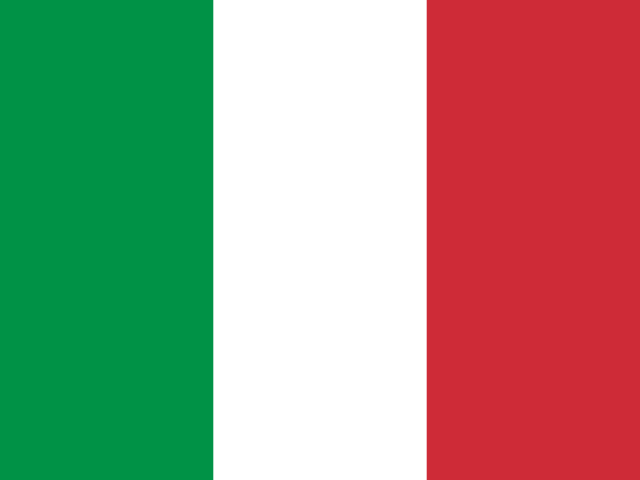 Italy
· Italiano
Italy
· English
Italy
· Italiano
Italy
· English
 Japan
· Japanese
Japan
· English
Japan
· Japanese
Japan
· English
 Latvia
 Lithuania
· English
Lithuania
· Lietuvių
Lithuania
· English
Lithuania
· Lietuvių
 Luxembourg
· Deutsch
Luxembourg
· Français
Luxembourg
· Deutsch
Luxembourg
· Français
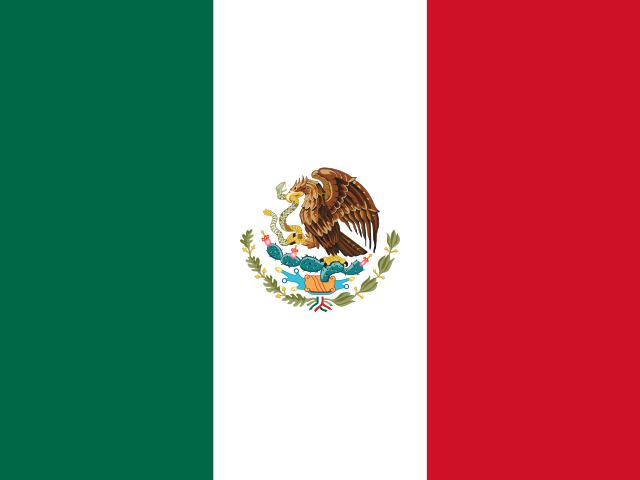 Mexico
· Español
Mexico
· English
Mexico
· Español
Mexico
· English
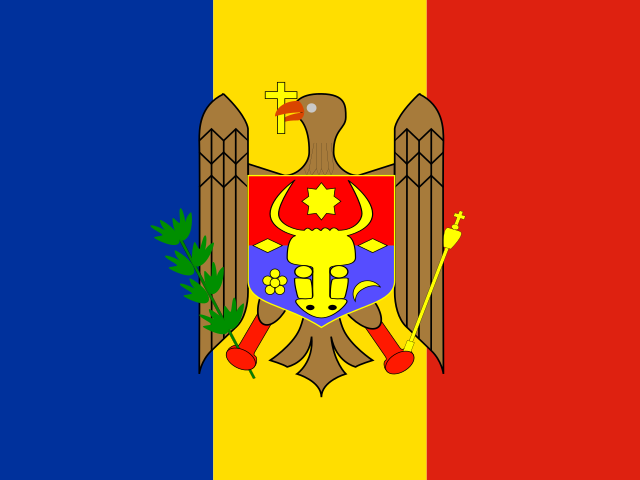 Moldova
· Română
Moldova
· Russian
Moldova
· Română
Moldova
· Russian
 Netherlands
 New Zealand
 Norway
 Poland
 Portugal
 Romania
 Russia
 Serbia
 Singapore
 Slovakia
 Slovenia
 South Africa
 South Korea
 Spain
· Español
Spain
· English
Spain
· Español
Spain
· English
 Sweden
 Switzerland
· Deutsch
Switzerland
· Français
Switzerland
· Deutsch
Switzerland
· Français
 Taiwan
 Thailand
· ไทย
Thailand
· English
Thailand
· ไทย
Thailand
· English
 Turkey
 Ukraine
 United Arab Emirates
 United Kingdom
 US
· English
US
· Español
US
· English
US
· Español
Scotland
Worried about Scotland's stricter 50mg limit? Get peace of mind with our AI-powered BAC calculator. Fast, personalized estimates show exactly when you'll be legal to drive.
📈 Results
| {{ afterLabel }} | {{ $t('unit.' + units) }} | Status |
|---|---|---|
| {{ result.time }} | {{ result.drunkenness }} |
This is general information, not legal advice, and the estimate is approximate. The only safe level before driving is zero.
Keep this page open until then, or the notification won’t arrive.
Your estimated BAC as your body clears the alcohol
🤖 AI Analysis
📝 AI Notes
The AI Scotland Drink Drive Calculator is specifically designed for Scottish drivers facing the UK's strictest alcohol limit. Our advanced AI considers individual factors—weight, gender, age, exact alcohol intake, and food consumption—to provide highly accurate estimates of your blood alcohol content and sobriety timeline against Scotland's 50mg/100ml blood limit.
This tool promotes responsible behavior aligned with Police Scotland's official advice: if you plan to drive, avoid alcohol altogether. Use our AI calculator to make informed decisions about Scotland's strict drink drive laws.
Seven factors that determine your result
Alcohol consumption per adult, per year
litres of pure alcohol per adult (15+), per year
Per adult, that is roughly:
23% above the regional average
WHO reports this figure for the UK as a whole.
France
11.2L
#12 Europe
 Scotland
10.9L
#18 Europe
United Kingdom
10.9L
#18 Europe
Ireland
10.5L
#22 Europe
Netherlands
8.7L
#30 Europe
Norway
7.5L
#35 Europe
Scotland
10.9L
#18 Europe
United Kingdom
10.9L
#18 Europe
Ireland
10.5L
#22 Europe
Netherlands
8.7L
#30 Europe
Norway
7.5L
#35 Europe
Road traffic deaths per 100,000 people, per year
road traffic deaths per 100,000 people, 2021
64% fewer road deaths than the regional average
WHO reports this figure for the UK as a whole.
Norway
1.6
#2 Europe
Scotland
2.4
#6 Europe
United Kingdom
2.4
#6 Europe
Ireland
3.2
#10 Europe
Netherlands
3.2
#11 Europe
France
4.6
#19 Europe
Latest available year shown per country.
Explore the legal blood alcohol concentration (BAC) limits for drivers in neighbouring countries.
Scotland's legal drink-drive limit (blood)
Consequences of exceeding Scotland's 50mg/100ml limit
Practical tips for safer drinking